
This will be
relatively brief post. In part because I
need to practice brevity. And in part
because I’ve chosen a topic on which I could get into trouble if I ramble overly
long.
I’ve only seen
Paris once. My wife had a life-long
dream of visiting the City of Lights. So,
for our fifth anniversary, we broke away from a bargain vacation in London,
took the Chunnel, and spent three days in a fine hotel in the heart of Paris,
across from the Tuileries and not far from the Louvre.
They were a fine
three days. Having different interests,
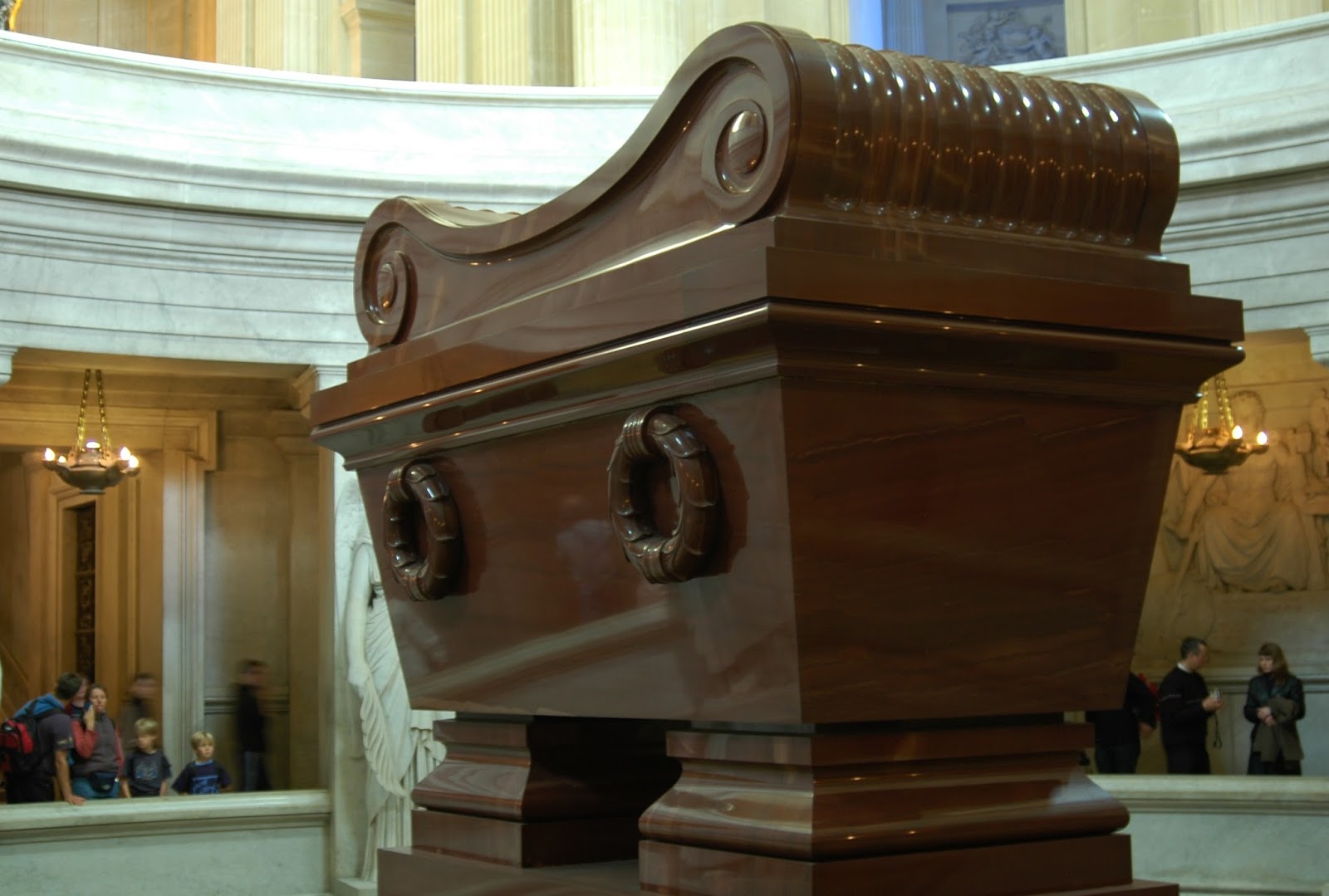
my wife and I spent much of our time in different pursuits. I visited the Rodin Museum and the sarcophagus
of Napoleon while she wandered shops, in particular the Parisian perfumeries.
 But we met
up under the Eiffel Tower at the exact time of our wedding five years earlier
(ignoring the time zone difference), took a cab to the Arc de Triomphe, and
ambled down the Champs-Elysees, stopping for beverages at a sidewalk café. It was a great way to commemorate an
anniversary. And then we returned to our
rented flat in London.
But we met
up under the Eiffel Tower at the exact time of our wedding five years earlier
(ignoring the time zone difference), took a cab to the Arc de Triomphe, and
ambled down the Champs-Elysees, stopping for beverages at a sidewalk café. It was a great way to commemorate an
anniversary. And then we returned to our
rented flat in London.
It’s likely
that we’ll never again visit Paris, but those three days remain bright in our
memories. Bright enough that the recent
terrorist attacks had a particularly sharp impact on us.
 One can look
at the Parisian attacks from several different urbanist perspectives.
One can look
at the Parisian attacks from several different urbanist perspectives.
The first is
distress that people enjoying the fruits of urban life in one of the great
cities of the world can have their lives ended or irremediably changed in a
matter of minutes.
I fear that
many will respond to the events in Paris by withdrawing into their suburban
castles and lifting the drawbridges. But
that would be the wrong response. Cities
are our source of commerce, culture, and education. Our civilization would regress without
them. When cities hit bumps, our job is
to fix the bumps, not to turn our backs.
As Richard
Florida notes in CityLab, there is strong correlation
between the absence of vibrant cities and the instability of nations from which
terror can flow. Florida is careful to
note that correlation isn’t causation, but it seems likely that strengthening the
cities of unstable countries would simultaneously brace up the troubled nations
and weaken the roots of terrorism.
Next is
discomfort that the source of these particular attacks was the urban neighborhood
of Molenbeek-St. Jean in Brussels. Also in
CityLab, Feargus O’Sullivan writes about what has gone wrong in the
neighborhood, which is modestly attractive but permeated by despair. Something has gone wrong in a culture when jobseekers
in Molenbeek must use non-Molenbeek addresses when submitting resumes.
The roots of
Molenbeek as described by O’Sullivan may be unique to Brussels, but similar
pockets of despair and hopelessness are found in many cities. However, they needn’t be. Tools like inclusionary housing, walkable
settings, and strong transit can make a difference. We know how to implement those actions. It’s up to us to make the necessary commitments.
Last is hope
that comes from big city mayors, unlike many governors, continuing to welcome
refugees, many of whom are fleeing violence even worse than seen in Paris. Again in CityLab, Kriston Capps writes of the mayors who understand the
renewed vitality that immigrants can bring to communities, while also
sympathizing with the plights that forced them to become refugees.
Security
measures on immigration remain appropriate, but warm welcomes should be waiting
beyond the security checkpoints. Mayors
get that, which should make us optimistic about the future of cities.
The
political and social conditions that underlay the Paris terrorism can’t be
solved solely with urban solutions, but good urbanism can play a role. A big role.
In my next
post, I’ll look at the coming retail extravaganza that is the Christmas season
and what it tells us about the flaws of suburban parking. For many, the meaning of Black Friday have
moved from the 1929 stock market crash to the post-Thanksgiving shopping crush
and onward to an ominous message about our times.
As always,
your questions or comments will be appreciated.
Please comment below or email me.
And thanks for reading. - Dave Alden (davealden53@comcast.net)
